
Dust is a universal homeowner annoyance. It settles everywhere, makes allergies worse, and never seems to go away. As professionals focused on indoor air quality, we know that the key to winning the battle against dust isn’t just cleaning – it’s understanding what causes dust in a house and using your HVAC system as your primary defense.
Understanding Dust: What Causes Dust in a House?
To control dust effectively, you must first know what you’re fighting and where it originates.
The True Composition of Household Dust
When you wipe a dusty surface, you are dealing with a complex mixture of microscopic particles. Household dust is primarily composed of:
- Fabric Fibers: Shed from clothing, bedding, upholstery, and carpets.
- Human and Pet Skin Cells: Dead skin flakes are a significant component.
- Outdoor Particles: Pollen, mold spores, and car exhaust particles brought in on shoes and clothing.
- Dust Mites: Tiny organisms that feed on dead skin cells, whose waste products contribute to allergic reactions.
Where Does Dust Come From?
Dust sources can be categorized into two main groups:
- Internal Sources: Friction from movement, using appliances, walking on carpets, and the shedding of human and pet hair and skin.
- External Sources: Air leaks around windows and doors, and the air circulated through leaky, dirty ductwork.
The Best Way to Control Dust in House: A Multi-Step Approach
The most effective strategy against dust integrates HVAC system maintenance with changes to cleaning habits and source control.
Optimize Your HVAC System
Your Heating, Ventilation, and Air Conditioning (HVAC) system is the largest air purification tool in your home.
- Use High-Quality Filters: The most important step. Upgrade from standard fiberglass filters to filters with a MERV 8 to MERV 11 rating. These filters are much more effective at trapping small particles like dust, pet dander, and pollen before they circulate.
- Change Filters Frequently: Change your filter every 1 to 3 months. A dirty filter can’t trap dust and also restricts airflow, reducing efficiency.
- Consider Duct Sealing: Leaky ductwork pulls unfiltered air and insulation fibers from attics and crawl spaces into your living areas. Duct sealing is one of the best long-term solutions for significantly reducing dust.
Improve Cleaning Habits
Your cleaning routine should aim to capture dust, not just move it.
- Damp Dusting: Use a microfiber cloth dampened with water or furniture polish. Dry dusting only pushes microscopic dust back into the air where it can settle elsewhere.
- Vacuum Strategically: Use a vacuum cleaner equipped with a HEPA filter. Standard vacuum filters release fine dust back into the air, making the problem worse.
- Clean High-Traffic Areas Often: Focus on vacuuming carpets, rugs, and upholstery frequently, as these are major dust reservoirs.
Minimize Dust Sources
Reducing the amount of material that can become dust is critical.
- Wash Bedding Weekly: Wash all sheets, pillowcases, and blankets in hot water to kill dust mites and remove skin cells.
- Reduce Clutter: Less clutter means fewer surfaces for dust to collect on.
- Control Entryways: Use high-quality mats at exterior doors and encourage the removal of shoes at the entrance to prevent outdoor contaminants from entering your home.
Addressing Unique Challenges
Specific environments require specific strategies for dust control.
How to Control Dust in an Old House
Older homes present unique challenges due to air leaks and dated systems.
- Seal the Envelope: Focus on sealing gaps around window frames, baseboards, electrical outlets, and any place where cold air (and exterior dust) infiltrates.
- Inspect Ductwork: Old homes often have poorly sealed or aging ductwork that contributes massive amounts of dust. Have a professional inspect and seal your ducts.
- Consider Hard Flooring: Where possible, remove old carpets, which are notorious dust traps, and replace them with hard flooring that is easier to clean.
House Plants for Dust Control
House plants for dust control are often cited as a natural remedy. While plants are wonderful for aesthetics and can slightly improve localized air quality by absorbing some VOCs, they are not an effective replacement for high-MERV air filters or proper ventilation. Their impact on overall room-wide dust levels is minimal compared to the actions you take with your HVAC system and cleaning routine.
Breathe Easier with Expert Air Quality Solutions
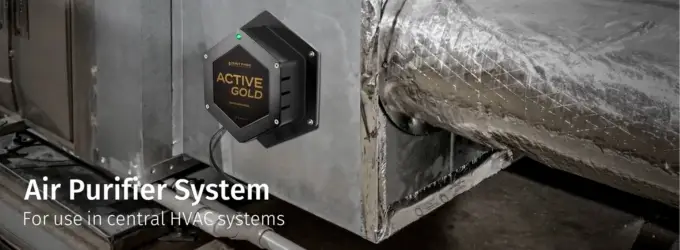
If you are ready for a cleaner, healthier home environment, trust the air quality experts at Meyer Heating & Air. We offer precision and expertise throughout the region, including HVAC services in Arnold, MO and heating and cooling services in Ballwin, MO. These are just a few of the many locations we cover to ensure your family breathes easier with the Dust Free Active Gold Purifier.
Contact Meyer Heating & Air today. Our St. Louis, MO, indoor air quality experts can assess your needs, seal your ducts, and install the right purification solution to transform your home.