
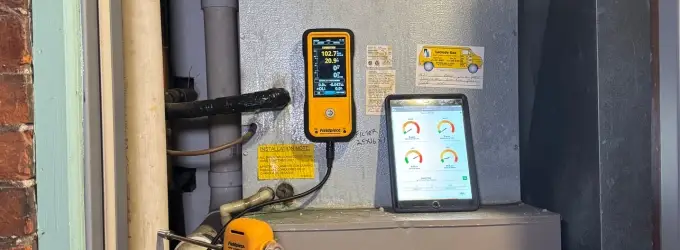
Improving Indoor Air Quality (IAQ) is one of the most significant steps you can take to enhance your home’s comfort, protect your family’s health, and increase energy efficiency. Poor IAQ can exacerbate allergies, cause respiratory issues, and affect the structural integrity of your home. The key to better air lies in managing filtration, humidity, and source control.
9 Ways to Improve Indoor Air Quality at Home
Effective indoor air quality improvement requires a multi-pronged approach that addresses air treatment, humidity control, and pollutant source elimination.
1. Upgrade to High-Efficiency HVAC Filters
Use filters rated MERV 8 or higher (up to the maximum rating certified for your specific system). These higher-rated filters are essential for trapping small particles like dust, pet dander, and pollen. Consistently upgrading your filtration system is the simplest and most cost-effective step in protecting the air quality throughout your entire home.
2. Schedule Professional Coil Cleaning
Have your indoor evaporator coil professionally cleaned annually. A dirty coil can harbor mold, bacteria, and dust, which are then distributed throughout your home every time the system runs. Professional coil cleaning is crucial for maintaining system efficiency and eliminating this major source of biological contaminants.
3. Maintain Ideal Humidity Levels (30%–50%)
Managing the moisture in your air is critical for both comfort and health. Use a dehumidifier in damp areas like basements and run your furnace humidifier during the dry winter months. Maintaining humidity between 30% and 50% prevents mold growth, discourages dust mites, and protects wood furnishings from drying out.
4. Ensure Proper Ventilation
Always run kitchen and bathroom exhaust fans during and immediately after cooking or showering for at least 15 minutes. This actively vents moisture and cooking fumes outside, preventing excessive humidity buildup in these key areas and reducing the release of cooking-related pollutants into the main living spaces.
5. Seal Leaky Ductwork
Have your ductwork inspected and sealed by a professional. Leaky ducts pull unfiltered air and contaminants from dusty attics or crawl spaces directly into your living areas. Sealing these leaks is one of the most effective, long-term methods for significantly reducing dust and preventing the intrusion of harmful contaminants.
6. Use a Vacuum with a HEPA Filter
When vacuuming, use a vacuum cleaner equipped with a HEPA filter to ensure you are capturing fine particulates instead of recirculating them back into the air. Standard vacuum filters often release microscopic dust particles, defeating the purpose of cleaning.
7. Control Entryway Pollutants
Place sturdy doormats at all exterior entrances and enforce a strict “no shoes inside” policy. Shoes track chemicals, dirt, pollen, and other pollutants from outside. Minimizing the amount of outdoor debris entering the home is a simple yet highly effective way to reduce indoor pollution.
8. Wash Bedding in Hot Water Weekly
Wash all sheets, pillowcases, and blankets weekly in hot water. This eliminates dust mites and their droppings, which are major triggers for allergies and a significant component of household dust. This routine is essential for improving the air quality in bedrooms.
9. Check for Water Damage and Leaks
Regularly inspect your roof, plumbing fixtures, and basement for any hidden water leaks or moisture intrusion. Fixing these sources immediately is the most critical step in preventing mold growth. Mold needs water to thrive, and eliminating the water source is the only way to stop it permanently.
Benefits of Improving Indoor Air Quality
Prioritizing clean air in your home is a direct investment that yields significant returns in health and finance.
Better Health and Comfort
Reducing airborne pollutants, allergens, pet dander, and dust mites leads to:
- Fewer allergy and asthma symptoms.
- Reduced incidence of respiratory issues.
- More comfortable skin and nasal passages.
- Better sleep quality due to cleaner air flow.
Enhanced HVAC Efficiency and Savings
Your HVAC system and indoor air quality are closely related. Cleaning and upgrading your filtration system reduces strain on your HVAC unit. When your system runs more efficiently, it consumes less energy, directly translating to lower utility bills.
Structural Protection
Controlling humidity, a major factor in indoor air quality, is essential for preserving your home. Proper moisture levels prevent condensation, minimize wood rot, and stop the growth of mold and mildew on walls and surfaces.
Breathe Easier: Contact Your Indoor Air Quality Experts
Persistent air quality concerns require professional solutions. At Meyer Heating & Air, we offer the Dust Free Active Gold purification system to protect your family’s health. Our service area covers a wide range of locations, including professional HVAC contractors in Lake St. Louis, MO, and reliable HVAC system services in Manchester, MO. No matter where you are in the metro area, we are here to help you breathe cleaner air
Contact us today to assess your home’s air quality needs and find the right solution, including expert installation of the Dust Free Active Gold system