
Last Updated November 22nd 2025
Maintaining the right indoor humidity level is essential for comfort, health, and protecting your home’s structure. As HVAC professionals, we know that perfect indoor air is a balance between temperature and moisture. When humidity is too high or too low, you’ll feel uncomfortable and risk damage to your property.
What is Humidity?
Humidity refers to the amount of water vapor present in the air. We measure it using Relative Humidity (RH), which is expressed as a percentage. This percentage represents the ratio of moisture currently in the air compared to the maximum amount of moisture the air can hold at that specific temperature.
Why Does Indoor Humidity Matter?
Maintaining proper RH levels is crucial for several reasons:
- Health and Comfort: Optimal humidity levels help reduce static electricity, keep skin and nasal passages comfortable, and minimize the survival rate of viruses and bacteria.
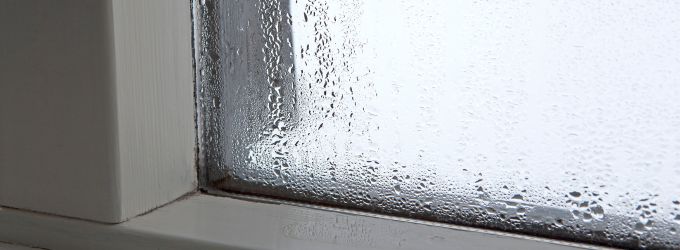
- Structural Integrity: Improper humidity can damage your home. Low humidity can dry out wood floors, trim, and furniture, causing cracks. High humidity can lead to condensation, peeling paint, and wood rot.
- Mold and Pests: High humidity (above 60%) creates the ideal environment for dust mites, mold, and mildew growth.
How to Check Indoor Humidity
The easiest way to check your home’s humidity level is by using a hygrometer (often integrated into modern smart thermostats). This small device gives you an instant, accurate reading of the Relative Humidity (RH) percentage in any given room.
Ideal Indoor Humidity Levels by Season
A “good” average indoor humidity level is not constant; it should fluctuate depending on the season and the outdoor temperature to prevent condensation on windows and structural damage.
What is a Good Average Indoor Humidity?
The general recommended average indoor humidity range for year-round health and comfort is 40% to 50% RH.
What is a Good Indoor Humidity Level in Winter?
When outdoor temperatures drop below freezing, you must lower your indoor humidity to prevent condensation on windows (which can lead to mold and rot).
| Outdoor Temperature | Recommended Indoor RH |
| Above 30°F (-1°C) | 35% – 45% |
| 20°F to 30°F (-7°C to -1°C) | 30% – 35% |
| Below 20°F (-7°C) | 25% – 30% |
What is a Good Indoor Humidity Level in Summer?
In the summer, the goal is to keep humidity low enough to avoid mold growth. A good indoor humidity level in summer is 45% to 55% RH. Your air conditioner naturally dehumidifies, but if this level is exceeded, you may need a supplementary dehumidifier.
How to Maintain the Best Indoor Humidity Levels
Maintaining the proper balance often requires both proactive and reactive measures using your existing HVAC system and specialized equipment.
How to Reduce Indoor Humidity (5 Key Ways)
When humidity levels climb above 60% (common in basements or during muggy summer days), you must take action to prevent mold.
- Use Ventilation Fans: Always run kitchen and bathroom exhaust fans during and after cooking or showering to vent moisture outside.
- Ensure AC is Working Properly: A properly functioning air conditioner is the best dehumidifier in the summer. If it’s short-cycling or oversized, it won’t run long enough to effectively pull moisture out of the air.
- Utilize a Dehumidifier: Use a dedicated portable or whole-house dehumidifier in damp areas like basements, crawl spaces, or utility rooms to actively extract moisture from the air.
- Fix Leaks: Immediately repair any leaky faucets, pipes, or roof issues contributing moisture to the interior.
- Clean Drain Lines: Ensure your HVAC system’s condensate drain line is clear. If it’s clogged, moisture will back up and evaporate back into the indoor air.
Are Indoor Plants Good for Humidity?
Yes, indoor plants contribute moisture to the air through a process called transpiration. For homes in dry winter climates (where humidity is often too low), adding plants can slightly boost localized humidity. However, if your home already struggles with high humidity (above 50% RH), adding many plants may slightly worsen the problem, especially if they are sitting in wet soil.
How to Increase Indoor Humidity
In dry winter months, low humidity can lead to dry skin, static shock, and cracking wood.
- Use a Humidifier: Use a portable humidifier in specific rooms or install a whole-house humidifier integrated directly into your HVAC system. A whole-house humidifier provides consistent, controlled moisture to your entire home.
- Avoid Excessive Ventilation: In cold weather, opening windows lets dry outdoor air in. Limit ventilation if you are struggling to keep humidity up.
Need Help Balancing Your Home’s Air? Contact Meyer Heating & Air
Balancing indoor humidity is key to creating a healthy, energy-efficient, and comfortable home environment. Whether you need a professional to assess your current humidity levels in Ladue, MO, install a whole-house humidifier in Sunset Hills, MO, or optimize your air conditioner for better dehumidification, our experts at Meyer Heating & Air are ready to help.
Contact us today for a consultation in the St. Louis, MO area.